
Navigating what to eat after tooth extraction can feel overwhelming, especially when you're focused on a comfortable and quick recovery. Whether you've undergone a routine extraction, wisdom teeth removal, or are preparing for a dental implant, your diet plays a crucial role in healing. A common concern we hear from our San Diego, CA, patients at Nimmi Shine Dental is how to stay nourished without irritating the sensitive extraction site or causing complications like a painful dry socket. We understand the anxiety that can come with dental procedures, and our goal is to provide clear, reassuring guidance to make your healing process as smooth as possible.
The right foods do more than just prevent issues; they provide the essential vitamins and minerals your body needs to effectively repair gum tissue and bone. This guide is designed to remove the guesswork from your post-procedure meal planning, offering practical, soothing, and nutritious options for every stage of your recovery. At Nimmi Shine Dental, our commitment extends beyond the dental chair; we believe in providing comprehensive support for your entire healing journey right here in the San Diego community.
Our goal is to help you eat safely and comfortably, setting you up for a seamless recovery and preparing you for the next steps in your oral health plan. Whether that involves restorative dentistry, cosmetic dentistry, or a future dental implant, proper nutrition is the first step toward successful long-term results. We'll outline specific, easy-to-prepare foods that support your body's natural healing process, ensuring your focus remains on resting and getting back to your routine. This comprehensive list provides actionable ideas to keep you well-fed and on the path to a speedy recovery.
1. Yogurt and Greek Yogurt
When considering what to eat after tooth extraction, yogurt is one of the best and safest choices, especially within the first 24 hours. Its smooth, creamy texture requires no chewing, which prevents irritation to the sensitive surgical site. The cool temperature provides immediate soothing relief, helping to minimize swelling and discomfort naturally. This makes it an ideal food to kickstart your recovery process.
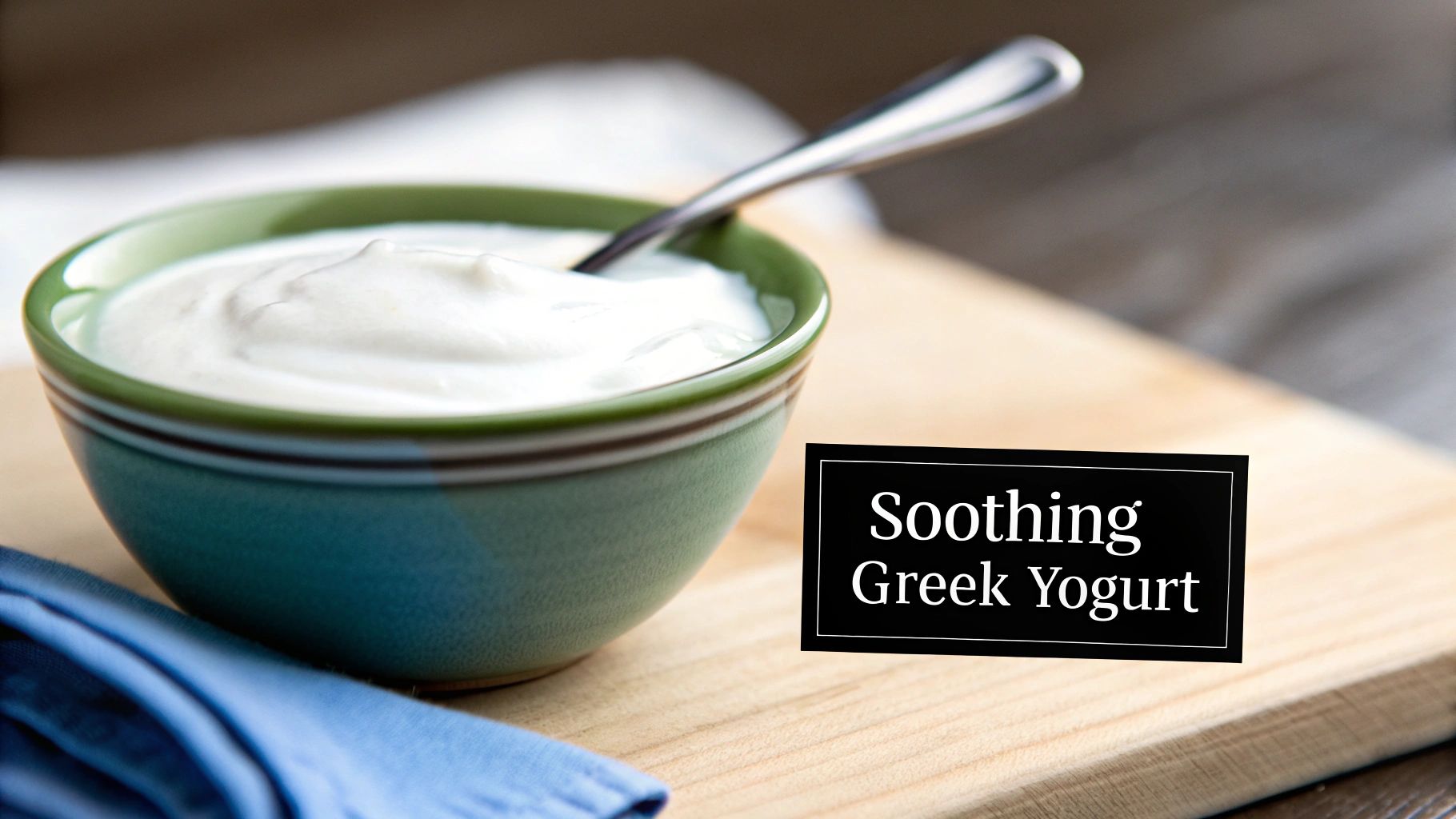
Yogurt is more than just a soft food; it's a nutritional powerhouse that supports your body's healing mechanisms. Regular yogurt offers a solid source of protein and calcium, but Greek yogurt elevates these benefits significantly. With an impressive 15-20 grams of protein per serving, Greek yogurt provides the essential building blocks your body needs for tissue repair and regeneration. This high protein content helps accelerate the healing of your gums.
Furthermore, many yogurts contain probiotics, which are beneficial live bacteria that support a healthy gut microbiome. Maintaining good gut health is crucial during recovery, as your body is under stress and may be more susceptible to imbalances.
How to Choose and Eat Yogurt Post-Extraction
To maximize the benefits and ensure a safe experience, follow these practical tips:
- Stick to Plain Varieties: Opt for plain, unsweetened yogurt. Sugary yogurts or those with fruit chunks, nuts, or granola can introduce sugar and hard particles to the extraction site, potentially causing irritation or infection.
- Keep It Cold: Serve the yogurt directly from the refrigerator. The cold temperature is key to its soothing effect on inflammation.
- Avoid Straws: Never use a straw to consume yogurt drinks or smoothies. The suction can dislodge the crucial blood clot forming in the socket, leading to a painful condition known as dry socket. Eat it slowly with a spoon. You can learn more about proper post-extraction care and what to avoid by reviewing comprehensive aftercare instructions.
- Enhance for Nutrition: If you want more flavor, mix in a smooth, seedless fruit puree like applesauce or mashed banana. This adds vitamins without compromising the texture.
Expert Tip: Brands like Fage or Siggi's are excellent high-protein, low-sugar options. However, any store-brand plain Greek yogurt will provide the necessary nutrients for a smooth recovery in San Diego, CA.
2. Bone Broth and Protein-Rich Broths
When deciding what to eat after tooth extraction, bone broth stands out as a uniquely healing and comforting choice. This nutrient-dense, savory liquid provides essential support for your body's recovery process. Unlike regular broths, bone broth is simmered for an extended period (12-24 hours), which extracts high concentrations of collagen, gelatin, amino acids, and minerals like calcium and magnesium that are vital for tissue repair and reducing inflammation. Its warm, soothing nature makes it an excellent food for the first 48-72 hours post-extraction.

Bone broth is more than just a simple soup; it is a functional food that actively promotes healing. The high levels of collagen and gelatin provide the building blocks your body needs to rebuild gum tissue and support the jawbone. Amino acids like glycine and proline have powerful anti-inflammatory properties, helping to manage swelling and discomfort around the surgical site. This nutritional profile makes it a superior choice for accelerating recovery compared to standard soups or broths.
This liquid format is gentle on your mouth, requiring no chewing while delivering substantial hydration and nutrition. It's a comforting and effective way to nourish your body when it needs it most, ensuring your recovery in San Diego, CA, is as smooth and quick as possible.
How to Choose and Eat Bone Broth Post-Extraction
To get the most out of this healing liquid without causing complications, consider these practical tips:
- Cool to Lukewarm: Never consume hot liquids immediately after an extraction. Hot temperatures can dissolve the protective blood clot and delay healing. Let the broth cool to a comfortable, lukewarm temperature before sipping.
- Sip, Don't Slurp: Drink the broth slowly and directly from a mug or bowl. As with all post-extraction foods, avoid using a straw. The suction can easily dislodge the blood clot and cause a painful dry socket.
- Boost with Anti-Inflammatories: For added benefits, gently stir in a pinch of turmeric or a small amount of grated ginger. Both are known for their natural anti-inflammatory properties that can help reduce post-operative swelling.
- Plan Your Portions: Prepare a large batch of homemade bone broth ahead of your procedure and freeze it in ice-cube trays or single-serving containers. This makes it easy to heat a small, manageable amount as needed. Commercially available options like Kettle & Fire or Epic Provisions are also excellent, convenient choices.
Expert Tip: For optimal healing, aim to consume 1-2 cups of bone broth daily during the first week of your recovery. This consistent intake provides a steady supply of the amino acids and collagen your gums need to regenerate effectively after a tooth extraction.
3. Mashed Sweet Potatoes
Mashed sweet potatoes are a wonderfully comforting and nutrient-dense choice when deciding what to eat after tooth extraction. Their soft, smooth consistency requires no chewing, protecting the delicate extraction site from irritation. Naturally sweet and satisfying, they provide a sense of comfort during a time when food options are limited, making your recovery diet feel less restrictive. The warmth and familiar flavor can be psychologically soothing.
Beyond their gentle texture, sweet potatoes are packed with essential vitamins and minerals crucial for healing. They are an excellent source of Vitamin A, which plays a vital role in immune function and tissue repair. They also contain Vitamin C and potassium, which help reduce inflammation and support overall wellness. The complex carbohydrates provide sustained energy, helping your body focus its resources on recovering from the oral surgery.
This combination of easy-to-eat texture and powerful nutrients makes mashed sweet potatoes a top-tier recovery food that actively supports the healing process while being gentle on your mouth.
How to Prepare and Eat Mashed Sweet Potatoes
To get the most out of this healing food without risking complications, consider these simple guidelines:
- Ensure a Smooth Texture: Bake, boil, or microwave the sweet potatoes until they are extremely tender. Mash them thoroughly, ensuring there are no lumps, skins, or hard pieces that could get lodged in the socket.
- Serve Warm, Not Hot: Extreme temperatures can irritate the surgical site. Allow the mashed sweet potatoes to cool to a lukewarm or room temperature before eating.
- Boost with Flavor and Nutrients: Enhance the flavor with a dash of cinnamon or nutmeg instead of sharp spices. For extra creaminess and nutritional value, mix in a splash of coconut milk or a spoonful of smooth bone broth.
- Avoid Problematic Add-ins: Steer clear of toppings like brown sugar, nuts, seeds, or marshmallows. These can introduce hard particles and unnecessary sugar to the healing area.
Expert Tip: Prepare a large batch of mashed sweet potatoes and portion them into small containers. You can refrigerate them for up to four days, providing a convenient and ready-to-eat meal that supports your recovery in San Diego, CA.
4. Applesauce and Soft Fruit Purees
Applesauce and other soft fruit purees are excellent choices when deciding what to eat after tooth extraction. Their naturally smooth consistency requires absolutely no chewing, making them incredibly gentle on the tender extraction site. The mild, pleasing flavors are often comforting, especially when your diet is temporarily limited. Consuming these purees can also provide a quick and easy source of natural sugars for energy when you might not feel like preparing a more complex meal.
Beyond their gentle texture, applesauce and fruit purees are packed with essential nutrients that aid in recovery. They are a good source of vitamins, particularly Vitamin C, which is crucial for repairing tissues and supporting your immune system. They also contain dietary fiber, which helps maintain normal digestion, a key consideration if you are taking prescription pain medication that can sometimes cause constipation.
Choosing the right type of puree and consuming it correctly ensures you get all the benefits without any drawbacks. Soft fruits like bananas, peaches, and pears are easily transformed into smooth, palatable options that nourish your body during the healing process.
How to Choose and Eat Fruit Purees Post-Extraction
To safely incorporate these foods into your post-extraction diet, consider the following recommendations:
- Select Unsweetened Options: Always choose unsweetened applesauce and fruit purees. Added sugars can promote bacterial growth in the mouth, which is the last thing you want near a healing surgical site.
- Check for Smoothness: Ensure the puree is completely smooth. Avoid varieties with fruit chunks, seeds, or peels that could get lodged in the socket and cause irritation or infection.
- Serve at Room Temperature: While cold foods are soothing, extremely cold or hot temperatures can cause sensitivity. Serving purees at room temperature or slightly chilled is often most comfortable.
- Enhance with Protein: For a more substantial and healing-focused snack, mix your fruit puree with a spoonful of plain Greek yogurt or smooth cottage cheese. This adds valuable protein needed for tissue repair.
- Rinse Gently Afterward: Some fruits are acidic. After eating, gently rinse your mouth with a warm salt water solution (as recommended by your dentist) to neutralize acids and keep the area clean.
Expert Tip: For a convenient and safe option, consider pre-portioned baby food purees made from fruits like pears or bananas. Brands like Gerber offer organic, unsweetened varieties that are perfectly smooth and ideal for recovery for patients in San Diego, CA.
5. Scrambled Eggs and Soft Egg Dishes
When you’re looking for what to eat after tooth extraction, scrambled eggs are a superior choice, especially after the first 24-48 hours. They are incredibly soft, require almost no chewing, and are packed with high-quality protein, which is essential for tissue repair and gum healing. The warm, comforting nature of eggs makes them a satisfying and substantial meal that won't irritate the sensitive extraction site.
Beyond their perfect texture, eggs are a nutritional powerhouse that actively supports recovery. They provide all nine essential amino acids, making them a complete protein source vital for rebuilding damaged tissues. Eggs are also rich in vitamins and minerals like Vitamin D and phosphorus, which work alongside calcium to maintain jawbone health. Their choline content supports cellular function, contributing to a more efficient healing process. This combination of nutrients makes eggs one of the best foods to reintroduce as you move into the first week of recovery.
How to Choose and Eat Eggs Post-Extraction
To prepare eggs safely and maximize their benefits, follow these practical tips:
- Cook Gently and Slowly: Prepare your eggs scrambled on low heat. Cooking them slowly with a bit of butter or milk yields a soft, creamy, and clump-free texture that is easy to swallow. Avoid frying eggs, as this can create crispy, hard edges that could irritate the surgical site.
- Let Them Cool: Never eat eggs while they are piping hot. High temperatures can increase blood flow to the extraction site and may dissolve the protective blood clot. Let them cool to a lukewarm temperature before eating.
- Keep It Smooth: Avoid adding hard ingredients like bacon bits, toast pieces, or chunky vegetables. If you want to add nutrients, mix in finely chopped soft spinach or a spoonful of smooth cottage cheese once the eggs are cooked.
- Enhance for Nutrition: For extra flavor without irritation, sprinkle in soft, finely chopped herbs like chives or parsley. A small amount of soft-melted cheese like American or cream cheese can also add creaminess and calories.
Expert Tip: For an extra soft and protein-rich meal, whisk a tablespoon of cottage cheese or Greek yogurt into your eggs before scrambling. This simple addition boosts protein and creates a custard-like texture perfect for a healing mouth. At Nimmi Shine Dental, we often recommend this to patients in San Diego, CA, for a nutritious and easy-to-eat meal.
6. Smoothies and Nutritious Blended Drinks
Smoothies are one of the most versatile and beneficial options when planning what to eat after tooth extraction. These blended beverages allow you to combine nutrient-dense fruits, vegetables, proteins, and healthy fats into a single, easy-to-consume drink. Because they require no chewing, smoothies are exceptionally gentle on the surgical site, making them ideal during the first 48 to 72 hours when your mouth is most tender.
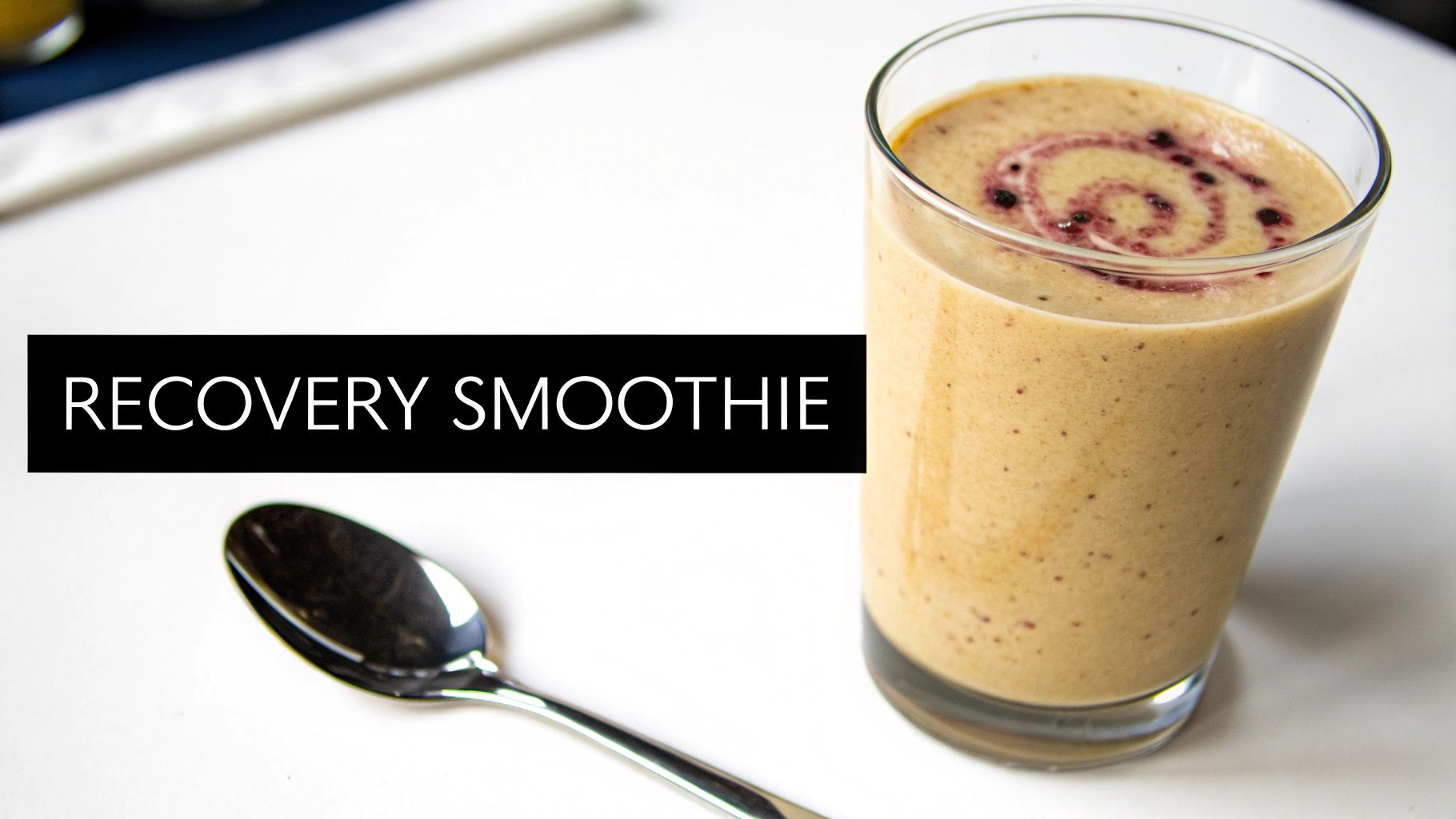
A well-made smoothie is a powerhouse of vitamins, minerals, and calories, providing your body with the fuel it needs for efficient healing. By blending whole foods, you maintain their fiber and nutritional integrity, which is far superior to consuming processed juices. This is your chance to pack in anti-inflammatory ingredients like spinach and berries, along with protein from Greek yogurt or a high-quality powder, which is essential for tissue repair.
Furthermore, smoothies are an excellent source of hydration, which is critical during recovery. They can be fully customized to meet your specific dietary needs and taste preferences, ensuring you stay nourished even when your appetite is low.
How to Prepare and Drink Smoothies Safely
To get the most out of your smoothies without risking complications, follow these essential guidelines:
- Absolutely No Straws: This is the most important rule. The suction created by a straw can dislodge the blood clot in your tooth socket, causing the painful condition known as dry socket. Sip your smoothie directly from the glass.
- Keep it Smooth and Seedless: Avoid fruits with small seeds like raspberries, blackberries, and strawberries, as the seeds can get stuck in the extraction site and cause irritation or infection. Opt for bananas, mangoes, peaches, and seedless berries.
- Boost Protein and Healthy Fats: Add a scoop of plain protein powder, Greek yogurt, or smooth nut butter (like almond or peanut butter) to make your smoothie more filling and to support tissue regeneration. A spoonful of avocado or coconut oil can add healthy fats for sustained energy.
- Serve Cool, Not Ice-Cold: While a cold temperature is soothing, blending with too much ice can make the smoothie painfully cold for a sensitive mouth. Use frozen fruit instead of ice for a thick, creamy consistency that is comfortably cool. You can find out more about timing your meals by learning about how long after wisdom teeth removal you can eat.
Expert Tip: Prepare your smoothie ingredients in advance and freeze them in individual portions. When you need a quick meal, just add your liquid of choice (like almond milk or water) and blend. This makes it easy to stay nourished without extra effort during your recovery in San Diego, CA.
7. Cottage Cheese and Soft Cheese
When you're searching for what to eat after tooth extraction, cottage cheese stands out as an excellent, nutrient-dense option. Its uniquely soft texture requires virtually no chewing, as the small curds naturally break apart. This makes it an incredibly safe choice that won't disturb the delicate blood clot forming at your extraction site. The gentle, creamy consistency is easy to swallow and provides a satisfying, substantial alternative to purely liquid foods.
Cottage cheese is a recovery powerhouse, packed with high-quality protein essential for tissue repair and gum healing. It contains a beneficial blend of casein and whey proteins, which provides a sustained release of amino acids to support your body's recovery process. Furthermore, it is an excellent source of calcium and phosphorus, two minerals that are vital for maintaining bone health and helping the jawbone heal properly after an extraction. This combination of nutrients makes it more than just a soft meal; it's a functional food that actively aids your healing.
How to Choose and Eat Cottage Cheese Post-Extraction
To ensure you get the most benefit without causing any issues, follow these simple guidelines:
- Select Plain Varieties: Choose plain, low-fat, or full-fat cottage cheese without added fruit chunks, vegetables, or other hard mix-ins. Additives can irritate the surgical site or introduce unwanted sugar.
- Serve at a Neutral Temperature: While not as cold as yogurt, consuming cottage cheese at a cool or room temperature can be more comfortable than eating warm foods, which may increase blood flow and sensitivity in the area.
- Eat Gently: Use a small spoon and take small bites. Avoid any sucking motion with your mouth, as this can create pressure and dislodge the vital blood clot, leading to the painful condition of dry socket.
- Boost with Smooth Flavors: For a touch of sweetness, mix in a smooth, seedless puree like applesauce or mashed banana. For a savory option, blend in soft herbs like dill or parsley.
Expert Tip: Blending cottage cheese into a smoothie is a fantastic way to boost the protein content and create an ultra-creamy texture. This is an ideal strategy if you are having trouble eating with a spoon in the first day or two of your recovery in San Diego, CA.
8. Oatmeal and Soft Grain Porridges
For those looking for a warm and comforting food option, oatmeal is an excellent choice when figuring out what to eat after tooth extraction. Its soft, mushy consistency is gentle on the surgical site, requiring almost no chewing. The warmth can be psychologically soothing, providing comfort during recovery, while the food itself offers sustained energy from complex carbohydrates. This makes it a great option a day or two after your procedure, once the initial sensitivity to temperature has subsided slightly.
Beyond its comforting texture, oatmeal is packed with nutrients that support healing. It is a fantastic source of soluble fiber, including beta-glucans, which are known to boost the immune system and help your body fight off potential infections. Oats also contain essential vitamins and minerals like manganese, phosphorus, and magnesium, all of which play a role in tissue repair and overall health. This combination of easy-to-digest energy and immune support makes oatmeal a smart addition to your post-extraction diet.
How to Choose and Eat Oatmeal Post-Extraction
To ensure oatmeal is both safe and beneficial for your recovery, prepare it with care using these tips:
- Choose the Right Oats: Opt for instant or rolled oats, as they cook down to a much softer, creamier consistency than steel-cut oats. Steel-cut oats can remain too firm and may irritate the healing socket.
- Ensure It's Lukewarm: While oatmeal is a warm food, it must not be hot. High temperatures can increase blood flow to the extraction site, potentially dissolving the blood clot and causing bleeding. Let it cool to a lukewarm temperature before eating.
- Cook for Creaminess: Prepare the oatmeal with extra water, milk, or even bone broth to achieve a thinner, soup-like consistency. This makes it easier to swallow without chewing.
- Add Smooth, Nutritious Toppings: Avoid nuts, seeds, or dried fruit. Instead, enrich your oatmeal with smooth toppings like mashed banana, a swirl of honey or maple syrup, or a spoonful of smooth nut butter for extra protein and flavor. Adding a dash of cinnamon can also provide natural anti-inflammatory benefits.
Expert Tip: For a no-cook option that is exceptionally soft, try preparing overnight oats. Simply soak rolled oats in milk or yogurt in the refrigerator overnight. This method breaks down the oats into a pudding-like texture that is perfect for a healing mouth.
Post-Extraction Soft Foods: 8-Item Comparison
| Item | Implementation complexity | Resource requirements | Expected outcomes | Ideal use cases | Key advantages |
|---|---|---|---|---|---|
| Yogurt and Greek Yogurt | Very low — ready-to-eat; minimal prep | Refrigerator; plain/Greek varieties | Protein, calcium, probiotics; cooling reduces swelling | Immediate post-extraction, cold soothing, low-chew needs | High protein (Greek), probiotics for gut/immune support, easy consumption |
| Bone Broth and Protein-Rich Broths | Medium–high if homemade (12–24h); low if store-bought | Long simmer or purchased broth; stove/slow cooker | Collagen, amino acids, electrolytes; supports tissue repair and hydration | First 48–72 hours for collagen-rich nourishment and warmth | Rich in collagen/gelatin, anti-inflammatory, hydrating |
| Mashed Sweet Potatoes | Low — cook then mash; microwave or roast | Oven/microwave, fork or masher | Vitamins A/C, potassium, energy; supports immune and tissue repair | When calorie-dense, nutrient-rich soft meals are needed | Nutrient-dense, satiating, allergen-friendly |
| Applesauce and Soft Fruit Purees | Very low — ready or quick-blend | Jarred or blender; room-temp consumption recommended | Quick energy, vitamins, fiber; gentle on mouth | Immediate soft-food phase, snacks, flavor variety | No chewing required, shelf-stable options, gentle flavors |
| Scrambled Eggs and Soft Egg Dishes | Low — quick stovetop prep (5–10 min) | Stove, pan, eggs; gentle cooking technique | Complete protein and choline; promotes tissue repair | Early recovery when protein is needed and warm soft foods tolerated | Complete amino acids, affordable, quick to prepare |
| Smoothies and Nutritious Blended Drinks | Medium — requires blender and recipe balancing | Blender, protein/fruit/vegetable ingredients | Customizable macronutrients; hydration and concentrated nutrition | First 48–72 hours when chewing is difficult; meal replacement | Highly customizable, can deliver high protein and fluids |
| Cottage Cheese and Soft Cheese | Very low — ready-to-eat; optional blending | Refrigerator; plain low-sodium varieties | High casein/whey protein, calcium, sustained amino acid release | Protein-focused meals/snacks during recovery | High protein with soft texture, versatile sweet/savory uses |
| Oatmeal and Soft Grain Porridges | Low–medium — stovetop or microwave (10–20 min) | Oats, water/milk or broth, stove/microwave | Complex carbs, beta-glucans for immune support, warm comfort | When warm, filling meals are desired; later recovery days | Affordable, immune-supporting fiber, versatile preparations |
Your Trusted Dentist Near Me for Oral Health and Recovery in San Diego
Navigating the recovery process after a tooth extraction is a crucial step toward restoring your oral health. As we've explored, your diet plays a central role in ensuring a smooth and speedy healing journey. By focusing on soft, nutrient-dense foods in the initial days and gradually reintroducing more solid options, you provide your body with the essential building blocks it needs to repair tissue, prevent complications like dry socket, and minimize discomfort.
The key is to be patient and deliberate. Rushing back to your normal diet can disrupt the delicate blood clot that is fundamental to the healing process. Instead, embracing a temporary menu of items like bone broth, scrambled eggs, mashed sweet potatoes, and protein-rich smoothies ensures you stay nourished without putting undue stress on the extraction site. Remember, the guidance on what to eat after tooth extraction is not just about avoiding pain; it's about actively supporting your body's natural recovery mechanisms. When looking for a "dentist near me" in San Diego, CA who prioritizes patient education and comfort, Nimmi Shine Dental is here for you.
Key Takeaways for a Successful Recovery
To make your post-extraction diet as effective as possible, let's recap the most important principles:
- Prioritize Soft and Smooth: For the first 24 to 48 hours, stick exclusively to liquids and pureed foods. Think smoothies (without seeds and consumed with a spoon, not a straw), broths, and yogurt. This prevents any mechanical irritation to the surgical site.
- Temperature is Key: Avoid foods and drinks that are too hot or too cold. Extreme temperatures can increase sensitivity and potentially dissolve the protective blood clot. Lukewarm is your safest bet for the first few days.
- Nutrition Fuels Healing: Focus on nutrient-dense choices. Protein is essential for tissue repair (scrambled eggs, Greek yogurt, protein powder in smoothies), while vitamins and minerals support your immune system (soft fruits and well-cooked vegetables).
- Avoid the "No" List: Steer clear of crunchy, hard, spicy, and acidic foods. These can not only cause pain but can also introduce bacteria or lodge particles into the open socket, leading to infection and delaying healing.
- Hydration is Non-Negotiable: Drink plenty of water. Proper hydration is vital for every bodily function, including healing. Just remember to sip directly from a glass and avoid using straws to prevent suction that can dislodge the blood clot.
Beyond the Diet: A Holistic Approach to Healing
While mastering what to eat after tooth extraction is a significant part of your recovery, it works in concert with other post-operative care instructions. Adhering to the full plan provided by our team at Nimmi Shine Dental is the surest path to a complication-free recovery. This includes gentle oral hygiene, getting adequate rest, and taking any prescribed medications as directed. Whether you need family dentistry, cosmetic dentistry, or restorative care, our approach is always centered on your whole-mouth health.
Listening to your body is also paramount. If a certain food causes discomfort, even if it's on the "safe" list, it's best to avoid it. Your personal healing timeline may vary slightly, and that's perfectly normal. The goal is a steady, comfortable progression back to your regular diet and activities. By taking these thoughtful steps, you are not just recovering from a procedure; you are investing in your long-term oral wellness and setting the foundation for a healthy, confident smile right here in San Diego.
At Nimmi Shine Dental, our commitment to your health extends far beyond the dental chair. We view post-operative care, including providing clear guidance on what to eat after tooth extraction, as a vital part of the world-class service we offer to our San Diego community. If you have any questions about your recovery or are looking for a trusted, patient-focused dentist for your family's needs in San Diego, CA, or surrounding areas, we encourage you to schedule a consultation. Please contact us today at Nimmi Shine Dental.
