
Restorative Dentistry: How Modern Treatments Rebuild Damaged Smiles
A healthy smile serves as a cornerstone of confidence and daily function, yet dental damage can occur over time due to accidents, decay, or natural wear. Restoring these compromised teeth is about much more than just aesthetics; it is a vital step toward regaining the ability to eat comfortably, speak clearly, and interact with the world without hesitation. When teeth are chipped, cracked, or missing, the structure of the mouth changes, potentially leading to further oral health complications.
Technological advancements have revolutionized the field of dentistry, transforming what used to be lengthy and sometimes uncomfortable procedures into streamlined, precise, and pain-free experiences. Modern digital imaging, 3D printing, and advanced biocompatible materials allow dentists to create restorations that mimic natural teeth so closely that they are virtually indistinguishable. Innovations such as laser restorative dentistry and computer-aided design/computer-aided manufacturing (CAD/CAM) enable practitioners to design and place crowns or veneers in a single visit, significantly reducing the time patients spend in the chair. These strides in dental science ensure that oral rehabilitation is not only effective but also minimally invasive, prioritizing patient comfort while delivering durable, high-quality results.
What Is Restorative Dentistry and Why It Matters
Definition and Purpose of Restorative Dentistry
Restorative dentistry encompasses a specialized branch of oral care focused on repairing or replacing teeth that are defective, damaged, or missing entirely. The primary goal is to bring the mouth back to full function and aesthetic harmony, preventing oral health issues from escalating into more severe systemic problems. Unlike cosmetic dentistry, which primarily focuses on appearance, restoration dentistry , prioritizes the health and mechanical function of the mouth, although improved aesthetics are a natural byproduct.
Common Dental Problems Addressed
This field of dentistry addresses a wide array of common issues that can plague patients at any stage of life, ranging from minor inconveniences to significant structural failures. Tooth decay remains one of the most prevalent conditions treated, requiring the removal of compromised tissue and the sealing of the tooth to prevent further bacterial invasion.
Impact on Overall Oral and General Health
Restoring damaged teeth has a profound impact that extends far beyond a simple boost in confidence; it is essential for maintaining overall physical health. When teeth are missing or painful, chewing becomes difficult, often leading to dietary restrictions that can result in poor nutrition and digestive issues.
Restorative Dentistry
Dental Fillings and Crowns: Strengthening Damaged Teeth
Modern Tooth-Colored Fillings
Gone are the days when treating a cavity meant accepting a noticeable metal filling; modern family dentistry relies on composite resins that blend seamlessly with the natural tooth. These tooth-colored fillings are bonded directly to the remaining tooth structure, which requires less removal of the healthy tooth compared to traditional silver amalgam fillings. The composite material is durable and resistant to fracturing, capable of withstanding the moderate pressure of chewing while maintaining a natural appearance.
Dental Crowns for Severe Damage
When a tooth is too damaged or decayed to be supported by a simple filling, a dental crown serves as a protective cap that encases the entire visible portion of the tooth. This restoration reinforces the structural integrity of weakened teeth, preventing them from breaking apart under the stress of biting and grinding. Crowns are often necessary after a root canal procedure to protect the brittle tooth structure or to restore a tooth that has severely worn down over time.
Material Innovations in Restorations
The materials used in modern crowns and restorations have evolved significantly to offer the perfect balance of strength and aesthetics. Porcelain and ceramic options are highly favored for front teeth due to their translucency and ability to reflect light exactly like natural enamel. For back teeth that endure heavy chewing forces, zirconia offers exceptional durability without the need for metal underpinnings, avoiding the dark gum line often associated with older crowns.
Dental Bridges and Implants: Replacing Missing Teeth Effectively
How Dental Bridges Restore Smile Structure
Dental bridges offer a time-tested solution for bridging the gap created by one or more missing teeth, effectively restoring the continuous arch of the smile. A bridge consists of artificial teeth, known as pontics, which are anchored in place by crowns attached to the healthy natural teeth or implants on either side of the gap.
Dental Implants as Long-Term Replacement Solutions
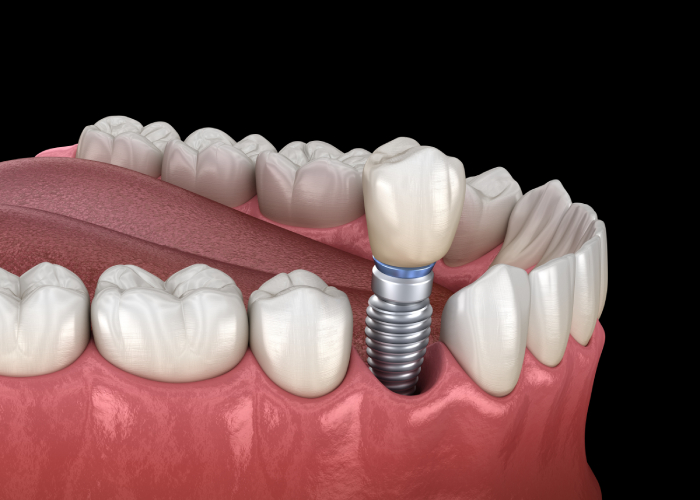
For those seeking a permanent and comprehensive solution to tooth loss, dental implants are widely considered the gold standard in restorative care. An implant consists of a titanium post that is surgically inserted into the jawbone, acting as an artificial root that stimulates bone growth and prevents the resorption often seen with tooth loss.
Choosing Between Bridges and Implants
The decision between a dental bridge and a dental implant depends on various factors, including the health of the jawbone, the condition of neighboring teeth, and the patient’s budget. Implants require sufficient bone density for successful placement and typically involve a longer healing period, but they offer a standalone solution that does not alter adjacent teeth. Bridges, on the other hand, can be placed more quickly and are a viable option for patients who may not be candidates for surgery or have insufficient bone mass.
Root Canal Therapy: Saving Natural Teeth with Advanced Techniques
Understanding Tooth Infections
Root canal therapy becomes necessary when the soft inner pulp of a tooth, which contains nerves and blood vessels, becomes infected or inflamed due to deep decay or trauma. Patients requiring this treatment often experience symptoms such as severe toothache upon chewing, prolonged sensitivity to heat or cold, discoloration of the tooth, or swelling in the nearby gums.
Modern Root Canal Technology
Despite its historical reputation, modern root canal therapy is a routine and generally painless procedure, often compared by patients to receiving a simple filling. Advanced rotary instruments allow dentists to clean and shape the root canals with high precision, removing the infection efficiently while preserving the integrity of the tooth walls. Digital X-rays and 3D imaging provide a detailed map of the tooth’s anatomy before the procedure begins, ensuring that no canal is missed and that the entire infection is eradicated.
Benefits of Preserving Natural Teeth
Saving a natural tooth through root canal therapy is always preferable to extraction, as no artificial replacement can completely replicate the function and biological compatibility of a natural tooth. Preserving the original tooth maintains the natural alignment of the bite and continues to stimulate the underlying jawbone, preventing the bone loss that occurs when teeth are removed.

Restorative Dentistry Service
Full Mouth Restoration: Comprehensive Solutions for Severe Dental Damage
When Full Mouth Rehabilitation Is Necessary
Full mouth rehabilitation is a comprehensive treatment plan designed for patients with extensive dental issues affecting the majority of their teeth. This approach is often required for individuals who have lost many teeth due to decay or gum disease, those with severely worn teeth from chronic grinding (bruxism), or patients who have suffered significant oral trauma. It is also a solution for those born with conditions like Ectodermal Dysplasia or Dentinogenesis Imperfecta that affect tooth development.
Combination Treatment Approaches
Because every mouth is unique, full mouth restoration typically involves a combination of restorative, cosmetic, and neuromuscular procedures to achieve optimal results. A treatment plan might integrate dental implants to replace missing teeth, porcelain veneers to correct aesthetics, and crowns to rebuild worn-down molars, all coordinated to create a balanced bite. Periodontal treatments may be employed first to ensure the gums are healthy enough to support the new restorations
Customized Treatment Planning
The process of full mouth restoration begins with rigorous planning and a deep understanding of the patient’s unique anatomy and aesthetic desires. Dentists utilize detailed photographs, X-rays, and digital impressions to create a virtual model of the patient’s mouth, allowing for the precise design of the final smile before any work begins. This phase often involves creating a temporary “mock-up” that the patient can try on, ensuring they are happy with the look and feel of their new smile.
Preventive Care and Maintenance After Restorative Procedures
Daily Oral Hygiene Practices
The longevity of any dental restoration depends heavily on the patient’s commitment to excellent oral hygiene at home. Brushing twice a day with non-abrasive fluoride toothpaste and flossing daily are non-negotiable habits for preventing plaque buildup around the margins of crowns, bridges, and fillings.
Regular Dental Visits and Professional Cleanings
Routine visits to the dentist are crucial for monitoring the condition of restorations and catching any potential issues before they become major problems. Professional Dentistry cleanings remove hardened tartar that regular brushing cannot reach, reducing the inflammation that threatens both natural teeth and implants.
Lifestyle Habits That Support Restoration Success
Beyond hygiene, certain lifestyle choices play a significant role in protecting dental investments and ensuring the durability of repairs. A diet low in sugar and acidic foods helps prevent new cavities from forming around the edges of fillings and crowns, while avoiding hard foods like ice or hard candy prevents chipping porcelain restorations.
How Nimmi Shine Dental Supports Modern Restorative Dentistry
Patient-Focused Treatment Philosophy
At Nimmi Shine Dental, the approach to care is rooted in the belief that every patient has the right to access superior treatment delivered with the utmost care and dedication. The clinic prioritizes creating a welcoming environment where individual concerns are heard, and anxiety is alleviated through compassionate, personalized attention.
Use of Modern Dental Technology
To deliver top-notch care without compromise, Nimmi Shine Dental integrates state-of-the-art diagnostic and restorative tools into daily practice. From high-resolution digital imaging that detects issues early to advanced equipment that ensures precise fitting of crowns and implants, technology is used to enhance the accuracy and comfort of every procedure.
Long-Term Care and Patient Education
The relationship with patients extends far beyond the completion of a procedure, with a strong emphasis on education and ongoing maintenance. Nimmi Shine Dental focuses on empowering individuals with the knowledge they need to protect their restorations and improve their overall oral health for years to come.

Modern Restorative Dentistry
The Future of Your Smile
Restorative dentistry offers more than just a repair for broken teeth; it offers a renewal of quality of life that impacts physical health and emotional well-being. By utilizing modern treatments to rebuild damaged smiles, individuals can enjoy the freedom of eating their favorite foods, speaking without impediment, and smiling without self-consciousness.
For those living with dental pain or hiding a damaged smile, the path to recovery begins with a single consultation. There is no need to endure discomfort or embarrassment when modern restoration dentistry offers so many effective and gentle solutions. By reaching out to a trusted provider, patients can explore the personalized strategies available to repair and revitalize their teeth. Taking that first step is a commitment to self-care, opening the door to a future defined by a strong, radiant, and healthy smile.
Nimmi Shine Dental
https://maps.app.goo.gl/aohBBXWwsG55a1R67
9888 Carroll Centre Rd #112, San Diego, CA 92126, United States
(858) 999-8550
https://nimmishinedental.com/
